
Eat less, exercise, lose weight. It sounds so simple. Yet, obesity among US adults has reached epidemic proportions. According to a recent report in the Annals of Internal Medicine, 61% of adults are either overweight or obese. And, according to the Centers for Disease Control Prevention, an astounding 45 million adults are obese! Moreover, the epidemic is not limited to adults. The percentage of young people who are overweight has more than doubled in the last 20 years. From 10% to 15% of Americans aged 6-17 years—about 8 million young people—are considered overweight.
Senators on Capitol Hill are mulling a “fat tax” on junk food, with proceeds earmarked to help obese people get thin. And many months after outgoing US Surgeon General David Satcher issued a “call to action” in the war on obesity, the battle rages on. But the National Association to Advance Fat Acceptance (NAAFA) is fighting back and saying that being overweight is not unhealthy, in spite of the countless studies to the contrary. The Centers for Disease Control and Prevention has been saying for years that being overweight is associated with an increased risk for heart disease, high blood pressure, diabetes, arthritis-related disabilities, and some cancers. And a recently published study reiterated that finding. Obesity is a risk factor for four of the six most frequent causes of death in the US—heart disease, stroke, cancer and diabetes.1
So to answer the question “Is being overweight really so terrible?” —YES, it definitely is!
But more than just a physical problem, being overweight affects your energy levels, how you feel about yourself and how others feel about you. It can affect your relationships, your career, and your happiness. Attaining a healthy weight can have an enormously positive impact on your health and your life in general. So, if you or someone you know would like to shed those extra pounds, keep reading … and we’ll tell you how to lose weight naturally, quickly and effectively, without making major lifestyle changes.
Why are we so fat?
Obesity is a complex issue. Weight problems can be the result of eating the wrong foods, not exercising, glandular malfunction, malnutrition, stress, boredom, and simply eating too much. Centuries ago obesity wasn’t the problem it is today. Our ancestors got lots of physical exercise and ate unprocessed, nutritious food. Junk food didn’t exist, and neither did television or garage door openers. Sitting on the couch with a bag of chips and driving into your garage without getting out and opening the door are just two modern lifestyle hazards that have contributed to excess calories which turn into fat.
Even though few people require more than 2,000 calories a day, the typical United States diet produces enough food for people to consume 3,700 calories every day. (The New York Times Magazine, March 10, 1996)
But it was only recently that Syndrome X, a nutritional disease caused by eating the wrong types of food, was shown to be a contributor to obesity.
Syndrome X: A major cause of overweight
What is Syndrome X?
Syndrome X is not some rare, mysterious disease. It is a term coined in 1988 by Stanford University endocrinologist Dr. Gerald Reaven, that describes a group of symptoms including high blood pressure, abdominal obesity (a “spare tire around the middle”), insulin resistance, high levels of triglycerides and low levels of HDL or “good” lipoproteins. 23 In the past 13 years, low levels of antioxidant vitamins and DHEA (dehydroepiandrosterone), high cortisol levels, and depression have been added to the list. 4
Some experts estimate that as many as two-thirds of Americans may be suffering from Syndrome X. It can remain effectively hidden for years, masquerading as symptoms of other conditions including abdominal (apple-shaped) obesity, fatigue, poor mental concentration, edema (fluid retention), nerve damage and an intense craving for sweets.
And since Syndrome X is a precursor to type 2 diabetes, it makes perfect sense that, since the overweight problem of Americans has skyrocketed in the past 20 years, according to studies, the number of people with type 2 diabetes—a disease that can result from excess weight—also increased by one-third during the 1990s. Children as young as 10 are now being diagnosed with type 2 diabetes, formerly known as adult-onset diabetes because it affected people in their 40s and older.
How do you develop Syndrome X?
Syndrome X develops over time, mainly from a diet high in refined carbohydrates such as breads, starches and sweets. These foods trigger a rapid increase in blood sugar levels, and the body responds by raising levels of insulin. The more carbohydrates you eat the more your body pumps out insulin to deal with all the extra blood sugar. Eventually, your body becomes overwhelmed by the amount of insulin, sluggish in response to it—and you’ve developed insulin resistance.
Insulin resistance and Syndrome X can go undetected for up to 40 years, or until serious complications begin to surface and the pancreas just can’t keep up with the demand for insulin. Some people produce two, three or four times the normal amount of insulin. Yet, because the cells have lost their sensitivity to the hormone, they require even more of it to maintain normal glucose levels.
When blood sugar and insulin levels go up, Syndrome X and weight gain result. In advanced stages of Syndrome X, when the pancreas can no longer keep up, adult onset diabetes II may develop. Syndrome X also generates high levels of cell-damaging free radicals and causes premature aging. Some researchers believe it can also increase the risk of Alzheimer’s disease and some types of cancer.5
Fortunately, by understanding the mechanism of Syndrome X, we can now stop it in its tracks and even reverse it, leading to improved health, longer life, greater mental clarity and … yes … rapid and permanent weight loss.
The Role Insulin Plays in Your Body
Every time you eat a carbohydrate, such as a piece of bread, plate of pasta or a baked potato, your digestive system converts it into glucose, a simple sugar, which is then absorbed into the blood stream. In response to the rise in blood sugar, insulin is produced and secreted into the bloodstream by the pancreas—a glandular organ deep in your abdominal cavity, behind the stomach.
As insulin travels through the circulatory system, it regulates the metabolism, storage and level of blood sugar. This master hormone of metabolism converts some glucose into glycogen, a sugar-polymer that is stored in the liver and muscle tissues. Glycogen acts as storage fuel like a spare gallon of gasoline for your car, and can be converted back into glucose quickly and easily on an as-needed basis. The remaining glucose circulates in the bloodstream to be used for energy.
When the pancreas secretes the right amount of insulin, it regulates appetite, growth hormone, cholesterol and fluid levels. Consequently, your metabolic system keeps everything in balance.
Obesity and Excess Insulin
If you’re overweight, chances are that you crave carbohydrates. This is actually a physiological craving caused by the way your body chemistry overreacts to eating sweets and carbohydrates. And if excess glucose remains in circulation, high insulin levels will stimulate lipogenesis (fat production and storage). To compound the problem, there is evidence that high insulin levels trigger the hypothalamus (the master gland) to send out hunger signals.6
According to David K. Shefrin, N.D. of Beaverton, Oregon, “Many cases of obesity are due to an imbalance of the hormone insulin. If insulin is not rapidly cleared from the bloodstream after a meal, it will cause an individual to feel hungry. Usually high insulin will signal the body to stop eating, but if a person has chronically elevated glucose levels due to inefficient insulin, he may eat more.” Ultimately, the more refined carbohydrates a person eats, the hungrier he or she may become.7 Even if you eat as few as 800 calories a day, if you are sugar sensitive and those calories are from carbohydrates, you may find that you still gain weight.8
Obesity Begins in Childhood
Until recently, insulin resistance was thought to cause obesity only in adults, because it is considered an age-related condition. A 1998 evaluation of more than 2,000 Finnish men led to the finding that insulin resistance can lead to obesity beginning in early childhood and middle age. The researchers also noted that each five percent weight increase at age 20, over the average for that age, was associated with a nearly 200 percent greater risk of full-blown Syndrome X by middle age. 9
If you’re serious about winning the weight game…
It’s time to get off the roller coaster—losing and then regaining what you’ve lost— and learn how to take control of your health by giving your body what it needs on a daily basis. It’s about making a commitment to eat a healthy diet, and to exercise—which can be as simple as walking 30 minutes 5 times a week.
That’s sounds easy and high and mighty, but how do you do it? You can restrict your intake of carbohydrates including sugar, starch and grains … that’s the popular low-carbohydrate diet and that’s ok but there is another way. An easier way. A good weight control program consists of a healthy diet, exercise, and support in the form of high-quality nutritional supplements.
Create a new life for yourself!
By using the right combination of supplements designed to control your levels of blood sugar and insulin, you will get many of the benefits of a low-carbohydrate diet without the hassle … and you’ll watch those pounds of body fat drop away at a rate that will astonish you … sometimes as much as 4 pounds per week!
Anti-Syndrome-X Nutritional Supplements
The nutrients reviewed in the following section all play a critical role in maintaining proper insulin function and help to reverse Syndrome X … so that you can lose weight quickly and easily!
R-Lipoic Acid — Improves Insulin Sensitivity and Much More
This preferred, natural form of the antioxidant lipoic acid is much more effective than the synthetic form of lipoic acid for improving glucose metabolism. Lipoic acid has been shown to lower glucose levels by 10 to 30 percent and improve insulin function.10 Lipoic acid also has been used to positively prevent and treat diabetic nerve disease and reduce the incidence of cataracts in laboratory animals.11 Lipoic acid is also believed to reverse some of the fundamental signs of aging, according to a recently published animal study in which old rats that were given lipoic acid supplements had the same energy levels as young rats.12
Green Tea— The Natural Starch Blocker Plus …
Studies confirm that tea catechins—potent antioxidants—are effective in suppressing increases of glucose and insulin concentrations in the blood. Since blood sugar tends to increase with age, this effect is an extremely important anti-aging benefit.13 Another study indicates that one of the specific catchins, epigallocatechin gallate (EGCg), lowers appetite, body weight, blood sugar, and insulin levels.14
Plus, tea polyphenols inhibit the activity of amylase, a starch-digesting enzyme found in saliva and in the intestines. Starch is broken down more slowly, and the rise in serum glucose is minimized, so that you don’t crave sweets and other snack foods after eating a meal. 15 Since insulin is our most fattening hormone and, with cortisol, our most pro-aging hormone, if you take Green Tea in the form of a nutritional supplement, you gain a wide range of benefits that accompany calorie and insulin control.
This “starch blocking” effect of green tea may be part of the reason Japanese people living in Japan can eat so much rice but remain thin. They have a tradition of drinking green with every meal.
The antioxidants in Green Tea also help reduce the oxidation of low-density lipoprotein (LDL) or “bad” cholesterol, a process that can lead to clogged arteries. 16
Green Tea Proven to Reduce Risk of Cancer and Cardiovascular Disease
Chromium Picolinate— First Class Blood Sugar and Insulin Regulator
Nine out of 10 American diets fall short of this trace mineral, which is essential for the transfer of sugar from the bloodstream to muscle cells, thereby giving them the fuel they need to work. Chromium is involved in maintaining cholesterol and triglyceride levels, and it is also necessary for our muscles to function properly. Chromium picolinate is believed to be more effective than other chromium supplements tested because it transports chromium into the cells more efficiently. 17
Chromium is believed to help build new muscle and act as a fat burner. When combined with an exercise program, chromium supplementation, even without the other synergistic supplements we suggest, has been shown to produce significant weight loss. 18
Research suggests that chromium picolinate may help those with diabetes II and hypoglycemia.19According to a study by U.S. Department of Agriculture researcher John Anderson, there is strong evidence that chromium picolinate may help to normalize glucose and insulin levels in diabetics. In this study, chromium was tested in 180 people in China with Type II (adult onset) diabetes. The scientists found that higher doses of chromium helped normalize glucose and insulin levels in the participants. “We’ve been doing chromium studies for 20 years and never saw anything this spectacular,” said Anderson. “If you take people in the general population with slightly elevated blood sugar and give them chromium supplements, you’ll see a drop in blood sugar in 80 to 90 percent of them.” 20
Salacia Reticulata— Supports Healthy Blood Lipids
This herb has been traditionally used in Indian medicine to treat diabetes. It has potent antioxidant properties, 21, and triglyceride- and LDL cholesterol-lowering effects that aid in weight loss. Salacia contains mangiferin, which enhances the body’s sensitivity to insulin, and also contains inhibitors of sugar digestion and absorption.22
Banaba— Effective in Supporting Healthy Body Weight
Banaba is a botanical extract that comes from the leaves of banaba trees and is traditionally used in the Philippines as an herbal medicine for diabetes. Corosolic acid, a triterpenoid in the leaves, acts as a glucose transport stimulator. It also appears to have strong antioxidant properties. Animal studies have shown it to be effective both for treating diabetes and obesity.23
Momordica— A Powerful Pancreas Protector
Also called bitter gourd or bitter melon, Momordica is used as a vegetable in India. Its extract improves glucose metabolism, protects the pancreas, slows carbohydrate absorption, and decreases gluconeogenesis, which is the production of glucose in the liver from other foodstuffs. It has also been shown to improve insulin resistance 24; protect and regenerate insulin-producing pancreas cells 25; and lower both blood lipids and glucose.26
Coccinia—Supports Normal Glucose Oxidation
Also called Ivy gourd, this Indian herb is related to bitter gourd and is used for similar purposes as Momordica. It decreases the liver’s own production of blood sugar, and increases glucose oxidation in the liver.27
How to Eat a Low-Carb Diet and Still Enjoy Eating
Variety is the Spice of Life
One of the common complaints we hear from people on low-carb diets is that there’s not enough variety, that it gets monotonous, or that there’s nothing to eat. Actually, there’s tons to eat and once you get into the swing of things, you’ll start feeling so much better than you have in years, that you’ll want to continue eating this way. The key is to spice things up by including lots of fresh herbs and veggies.
What if I’m a Vegetarian?
Typical vegetarian protein sources, such as beans, can increase symptoms of Syndrome X because they raise blood sugar and insulin levels significantly higher than meat (American Journal of Clinical Nutrition, 1997, vol. 66). Try to include eggs, high-protein dairy foods such as cottage cheese, and tofu in your diet. However, you don’t have to pig out on protein – the important thing is to restrict the carbohydrate.
And be sure to take a supplement with anti-X nutrients.
What About Dietary Fat?
The important thing is to restrict the carbohydrates. Fats are not the problem and you need not restrict your intake. In fact, dietary fat stimulates your metabolism and causes satiation of the appetite. So live it up, but make sure that the fats you eat are high quality such as coconut oil (which is high medium chain triglycerides and increase thermogenesis–fat-burning metabolism), olive oil, canola oil, whole avocado, butter, and flax oil. Don’t eat processed fats such as hydrogenated or partially hydrogenated oils.
Get moving. Exercise!
Daily exercise is an important key to weight control. Exercise raises your all-important metabolism, enabling your body to burn calories more efficiently and at a faster rate. Exercise is also a mood, mind and memory enhancer. So, get out there and move!
- Walk instead of ride. Or get into a routine. If it’s been a while since you’ve worked your muscles, start out with an easy walk for 20 minutes, 3 times a week. Gradually increase the time, frequency and tempo until you’re up to at lest 30 minutes, 3 to 5 days a week.
- Dance the night away. Folk, ballroom, tango, disco, ballet, jazz, square, and country line are some of the popular dance forms that have become permanent elements of the American cultural and social scene. Dance is a wonderful way to exercise without watching the clock. It’s also a terrific way to meet people! If you’re feeling shy, then put on a CD in the privacy of your home and boogie with a partner or yourself.
- Hike into the wild, blue yonder. Whether you live in the southwest desert, southeast wetlands or northeast mountains, there’s bound to be a hiking trail nearby. Put on a pair of sturdy shoes, sun block, and get out and enjoy nature. It’ll clear your mind and boost your energy.
- Most importantly, remember to drink plenty of water before and after exercise!
10 Anti-X Diet Tips that will help you lose weight!
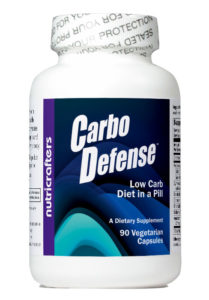
- Take Carbo Defense (see ad) to help you slow down carbohydrate absorption and improve insulin regulation in your body.
- Be sure to avoid refined carbohydrates, including white flour, rice (white and brown), plus other caloric sweeteners.
- Cut down on starchy vegetables and grains including (surprisingly) carrots, peas, potatoes, rice, and corn due to their high glycemic index. (see Glycemic Index chart)
- Include nonstarchy vegetables as your main source of carbohydrates (broccoli, cabbage, Brussels sprouts, cauliflower, spinach, chard, kale, lettuce, arugula).
- Get at least 25 grams of fiber every day from vegetables or flax seeds.
- Avoid soft drinks, fruit juices, alcohol and other highly processed drinks.
- Eliminate trans-fatty acids, found in deep-fried foods, margarine and foods that contain partially hydrogenated oils.
- Focus on healthy fats. Get your omega-3 fatty acids from cold water fish. and/or flax seed or oil. Use coconut oil or olive oil for cooking. (Contrary to popular thought, coconut oil is good for you! It contains significant amounts of a type of fat called medium-chain triglyceride, that reduces body fat, reverses arteriosclerosis, improves glucose metabolism and even lowers serum and liver cholesterol while raising HDLs—”good” cholesterol.)
- Include plenty of wholesome, organic protein sources, i.e. free-range meats and poultry, eggs, cheese, yogurt, cottage cheese and/or soy products, nuts, and nut butters, at every meal and snack.
- Drink at least eight 8-ounce glasses of purified water every day.
*Note: Non-starchy vegetables such as leafy greens, sprouts, and broccoli are not listed due to their extremely low rating. Meat, poultry, fish, eggs, cream, fats and oils, which are extremely low carbohydrate foods, are not rated.
References
- Annals of Internal Medicine, 2002;136:857-864, 923-925.
- G. Syndrome X. Clinical Diabetes. 1994; 3-4, 32-52.
- Reaven, G. “Syndrome X: 6 years later.” J Int Med Suppl. 1994;736;13-22
- McCarty MF. “Enhancing central and peripheral insulin activity as a strategy for the treatment of endogenous depression.” Med Hypotheses. 1994; 43 (4): 247-252.
- Challem, Jack, Smith, Burt Berkson, M.D., Ph.D., Melissa Diane Smith. Syndrome X: The Complete Nutritional Program to Prevent and Reverse Insulin Resistance, 2000, John Wiley & Sons.
- Dilman, V, Dean. W. “The Neuroendocrine Theory of Aging and Degenerative Disease.” Pensacola, FL:The Center for Bio-Gerontology, 1992.
- The Burton Goldberg Group. Alternative Medicine pg. 764, Future Medicine Publishing, Inc., 1997, CA.
- DesMaisons, Kathleen, Ph.D. Potatoes Not Prozac, pg. 31, Simon & Schuster, 1998, New York.
- Everson SA, et al. “Weight gain and the risk of developing insulin resistance syndrome.” Diabetes Care. 1998;21(10):1643-1643.
- Jacob S, et al. “The radical scavenger a-lipoic acid enhances insulin sensitivity in patients with NIDDM: a placebo-controlled trial.” Presented Oxidants and Antioxidants in Biology, Santa Barbara, CA., 1997 Feb 26-Mar 1.
- Nagamatsu M et al. “Lipoic acid improves nerve blood low, reduces oxidative stress, and improves distal nerve conduction in experimental diabetic neuropathy.” Diabetes Care, 18: 8,1995 Aug, 1160-7.
- Hagen TM, Ingersoll RT, Lykkesfeldt J, et al., “(R)-a-lipoic acid supplemented old rats have improved mitochondrial function, decreased oxidative damage, and increased metabolic rate,” FASEB JOURNAL, 1999.
- Horigome, T., Kumar, R and Okamoto, K.: Brit J. Nutr., 60,275-285 (1988)
- Kao YH, Hiipakka RA, Liao S. “Modulation of endocrine systems and food intake by green tea epigallocatechin gallate.” Endocrinology 2000 Mar;141(3):980-7
- Kreydiyyeh SI et al. “Tea extract inhibits intestinal absorption of glucose and sodium in rats.” Comp Biochem Physiol C Pharmacol Toxico Endocrino 1994;108:359-65.
- Luo, M., et al. “Inhibition of LDL oxidation by green tea extract.” The Lancet 199, 349:360-361.
- Anderson RA, Cheng N, Bryden NA, Polansky MM, Cheng N, Chi J et al. “Elevated intakes of supplemental chromium improve glucose and insulin individuals with Type 2 Diabetes.” Diabetes 1997;46(11):1786-91.
- Grant, K.E., et al. “Chromium and exercise training: Effect on obese women,” Med Sci Sports Ex 29(8):992-998, 1997.
- Evans, G.W. “The Effect of Chromium Picolinate on Insulin Controlled Parameters in Humans.” International Journal of Biosocial Medical Research 11 no.2 (1989): 163-180.
- Anderson, R.A.; et al. “Effects of Supplemental Chromium on Patients with Symptoms of Reactive Hypoglycemia.” Metabolism: Clinical and Experimental 36 no. 4 (Apr, 1987): 351-355.
- Yoshikawa M, Ninomiya K, Shimoda H, Nishida N, Matsuda H. “Hepatoprotective and antioxidative properties of Salacia reticulata: preventive effects of phenolic constituents on CCl4-induced liver injury in mice.” Biol Pharm Bull 2002 Jan;25(1):72-6
- Yoshikawa M, Morikawa T, Matsuda H, Tanabe G, Muraoka O. “Absolute Stereostructure of Potent alpha-Glucosidase Inhibitor, Salacinol, with Unique Thiosugar Sulfonium Sulfate Inner Salt Structure from Salacia reticulata.” Bioorg Med Chem 2002 May;10(5):1547-54
- Suzuki Y, Unno T, Ushitani M, Hayashi K, Kakuda T. “Antiobesity activity of extracts from Lagerstroemia speciosa L. leaves on female KK-Ay mice.” J Nutr Sci Vitaminol (Tokyo) 1999 Dec;45(6):791-5
- Miura T, Itoh C, Iwamoto N, Kato M, Kawai M, Park SR, Suzuki I. “Hypoglycemic activity of the fruit of the Momordica charantia in type 2 diabetic mice.” J Nutr Sci Vitaminol (Tokyo) 2001 Oct;47(5):340-4
- Ahmed I, Adeghate E, Sharma AK, Pallot DJ, Singh J. “Effects of Momordica charantia fruit juice on islet morphology in the pancreas of the streptozotocin-diabetic rat.” D iabetes Res Clin Pract 1998 Jun;40(3):145-51
- Ahmed I, Lakhani MS, Gillett M, John A, Raza H. “Hypotriglyceridemic and hypocholesterolemic effects of anti-diabetic Momordica charantia (karela) fruit extract in streptozotocin-induced diabetic rats.” Diabetes Res Clin Pract 2001 Mar;51(3):155-61
- Shibib BA, Khan LA, Rahman R. “Hypoglycaemic activity of Coccinia indica and Momordica charantia in diabetic rats: depression of the hepatic gluconeogenic enzymes glucose-6-phosphatase and fructose-1,6-bisphosphatase and elevation of both liver and red-cell shunt enzyme glucose-6-phosphate dehydrogenase.” Biochem J 1993 May 15;292 ( Pt 1):267-70
- Lyons TJ, et al. Decrease in skin collagen glycation with improved glycemic control in patients with insulin-dependent diabetes mellitus. J Clin Invest. 1911;87(6):1910-1915
- Wolever TM, et al. Beneficial effect of low-glycemic index diet in overweight NIDDM subjects. Diabetes Care. 1992;15(4):562-564.
- Odetti P, et al. Good glycaemic control reduces oxidation and glycation end-products in collagen of diabetic rats. Diabetologia. 1996;39(12):1440-1447.
- Jenkins, D, Wolever, T. Glycemic index of foods: a physiologic basis for carbohydrate exchange. The American Journal of Clinical Nutrition. 1981; 34:362-366.
- Podell, R. The G-Index Diet. New York, NY: Warner Books Inc: 1993.